August 10, 2026
When heavy storms roll through your area, your home takes a beating. High winds, pounding hail, and heavy rainfall stress the exterior of your house. Your roof is the primary shield against these elements, absorbing the brunt of the impact. Over time, or even after a single severe event, this stress compromises the materials protecting your home. Identifying the aftermath of a storm requires a careful eye. Homeowners often overlook subtle signs of damage until a minor issue escalates into a major headache. Water intrusion can quickly spread, affecting insulation and drywall.
Addressing these issues promptly saves time and money. Delaying action allows moisture to seep deeper into the structure, creating an environment for mold growth and wood rot. Routine inspections following harsh weather catch vulnerabilities before they worsen. Whether you notice shingles scattered across the lawn or a damp spot on your ceiling, taking immediate action is essential. Understanding the specific roof repairs required after severe weather helps you handle the recovery process efficiently and protect your investment for years to come.
1. Fixing Damaged or Missing Shingles
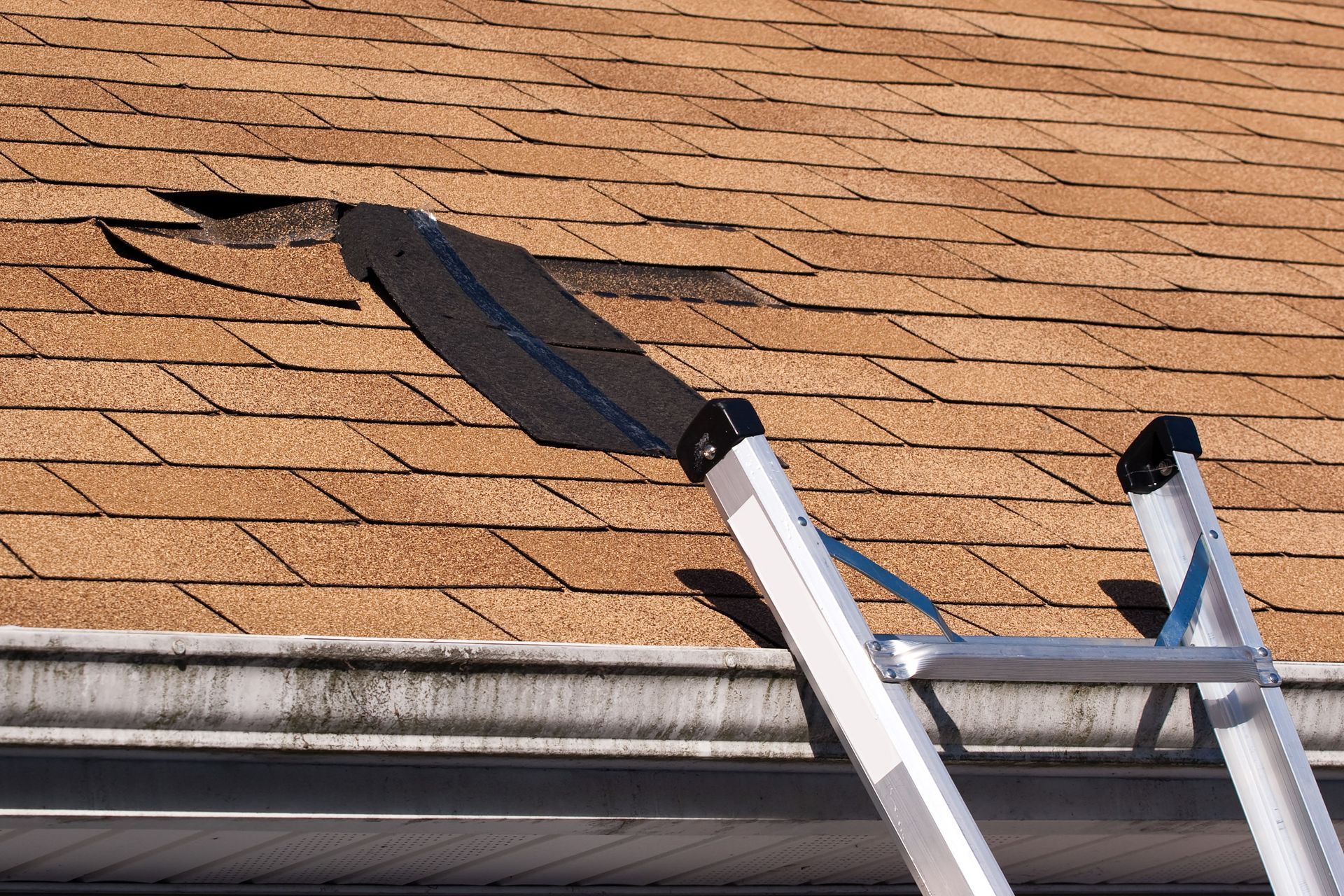
Shingles are the most visible component of your roofing system and usually the first to suffer during a storm. Powerful winds lift the edges of shingles, breaking their adhesive seals. Once the wind gets underneath, it can snap the material or tear it off the house. Hail also causes significant harm by bruising the surface and knocking away the protective granules.
According to Ruby Home, asphalt shingles are used in about 80% of all roofing projects. Because they are so common, replacing them is a frequent necessity following extreme weather. Even if a shingle remains attached, a creased or cracked surface can't shed water effectively. Moisture will eventually work its way beneath the damaged layer.
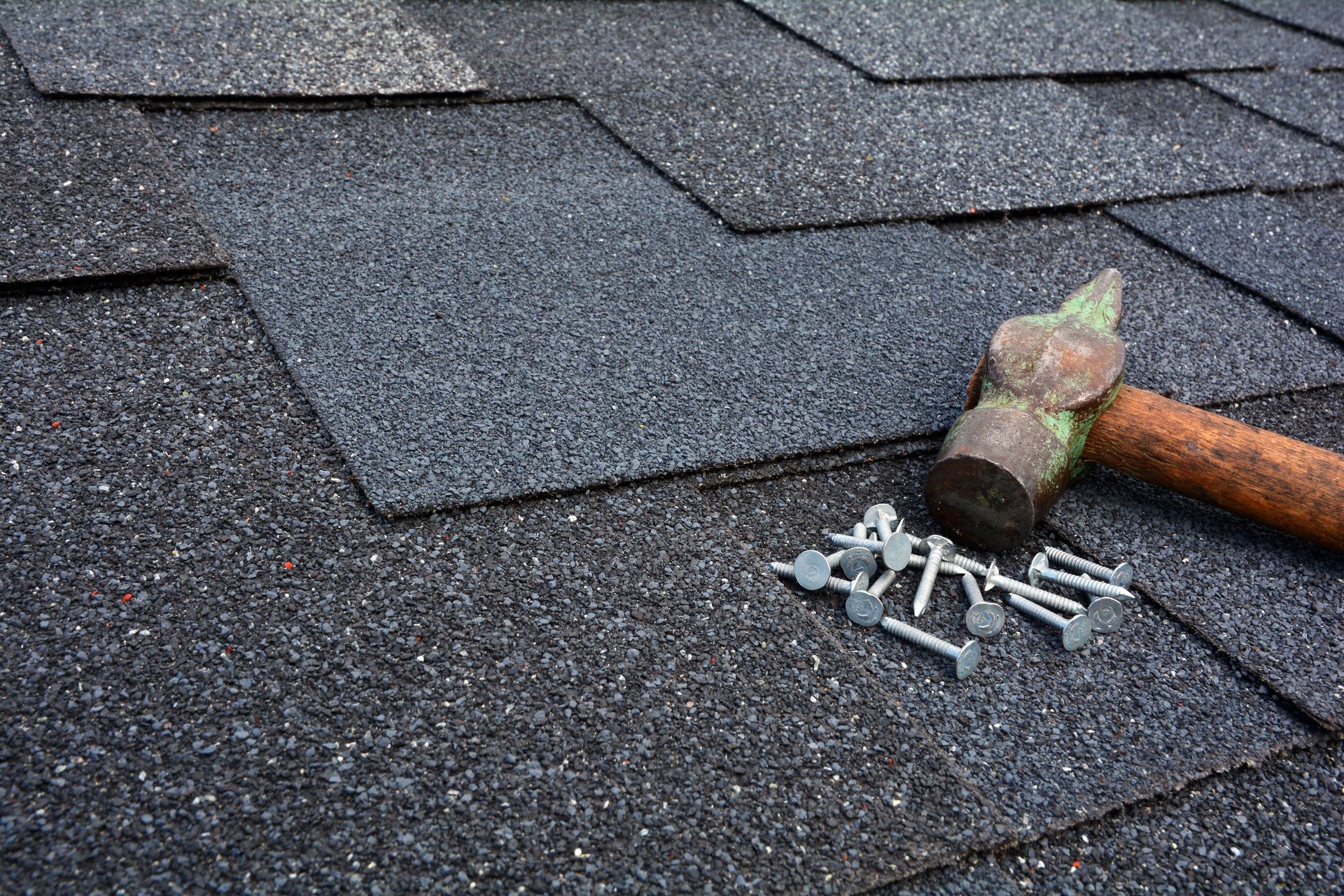
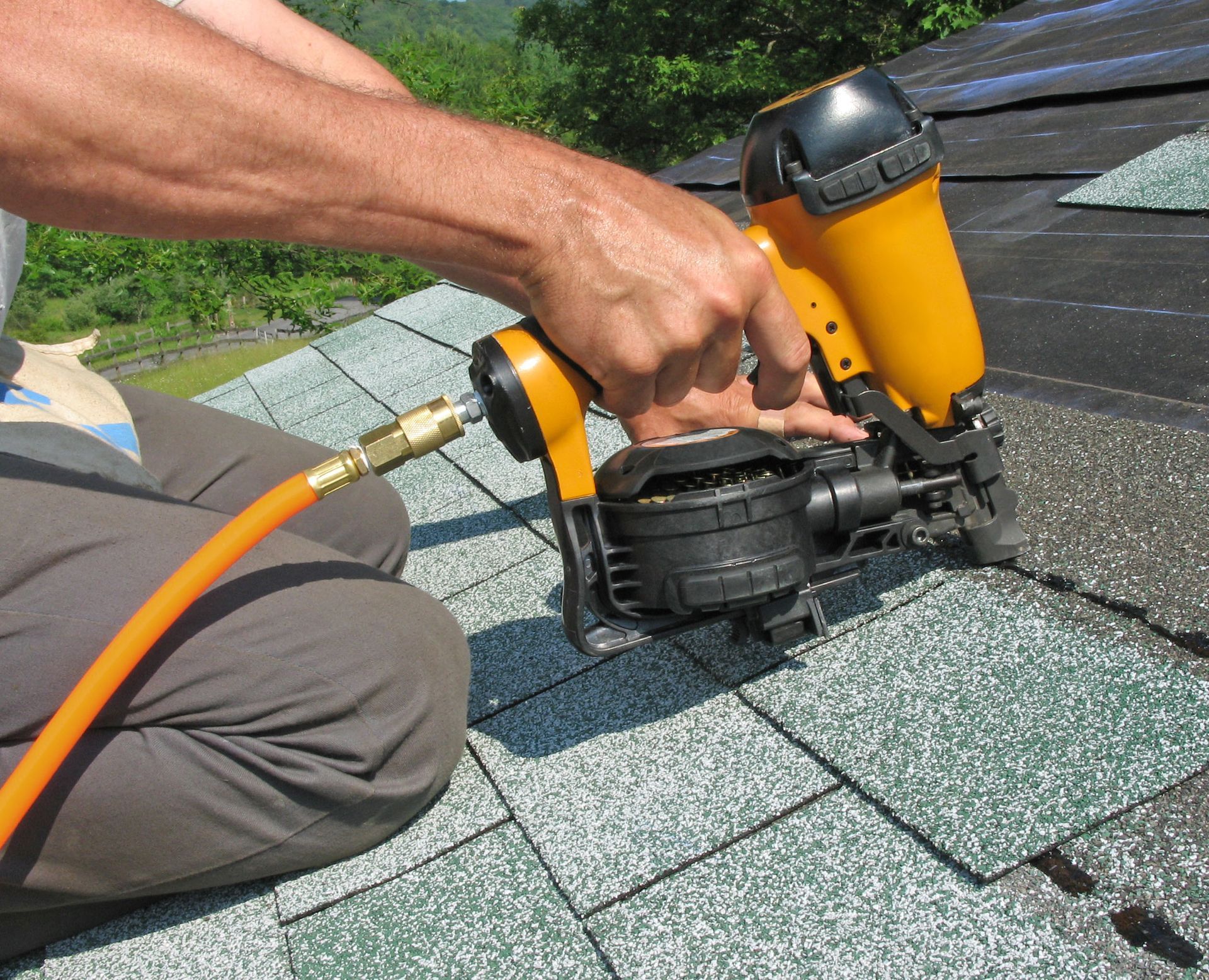
When you spot missing pieces, prompt replacement is critical to maintaining a waterproof barrier. A professional handling your roof repairs removes the broken pieces, clears away old nails, and slides a new shingle into place. They ensure the new material aligns perfectly with the surrounding rows. Securing the new pieces involves careful nailing and applying sealant to prevent wind uplift.
Handling this damage early prevents water from reaching the wooden decking below. Matching the replacement materials to the existing ones keeps the exterior looking uniform. Addressing shingle damage restores both the function and the curb appeal of your property.
2. Securing and Sealing Roof Flashing
Flashing plays a vital role in directing water away from vulnerable intersections on your roof. You'll find these metal strips installed around chimneys, skylights, vent pipes, and in the valleys where two slopes meet. Because these areas involve seams, they rely heavily on flashing to maintain a watertight seal.
As a storm batters the house, the sealant securing the flashing can deteriorate or break apart. Water then seeps underneath the metal, trickling down the sides of the chimney or following the pipes into the attic. Often, homeowners don't realize their flashing has failed until they see water stains forming on their interior ceilings.
Resecuring detached flashing requires careful attention to detail. The process involves removing old, cracked caulk or roofing cement and cleaning the metal surface. Once the area is prepared, new sealant is applied to bond the metal tightly against the roof and the adjoining structure. If the metal is bent, the entire piece must be swapped out for a new one to guarantee drainage.
Ensuring you prioritize these roof repairs guarantees that the leak-prone areas of your house remain protected. Valleys channel large volumes of water during a downpour, making secure flashing essential. When water flows smoothly over these transitions instead of seeping into cracks, the internal structure stays dry, preventing slow leaks from rotting the wood framing over time.
3. Replacing Compromised Underlayment
Beneath the visible shingles lies a crucial layer called the underlayment. This material acts as a secondary waterproof barrier, stopping any moisture that manages to sneak past the outer surface. Traditional felt paper or modern synthetic sheets serve this purpose, wrapping the wooden decking in a protective layer. Without timely roof repairs, if the shingles are torn away during a storm, the underlayment is left exposed to the elements.
Prolonged exposure to wind, rain, and sunlight degrades the underlayment quickly. It isn't designed to withstand direct contact with harsh weather for extended periods. When debris strikes the house, it can easily puncture this thin layer, creating a direct path for water to reach the wooden sheathing.
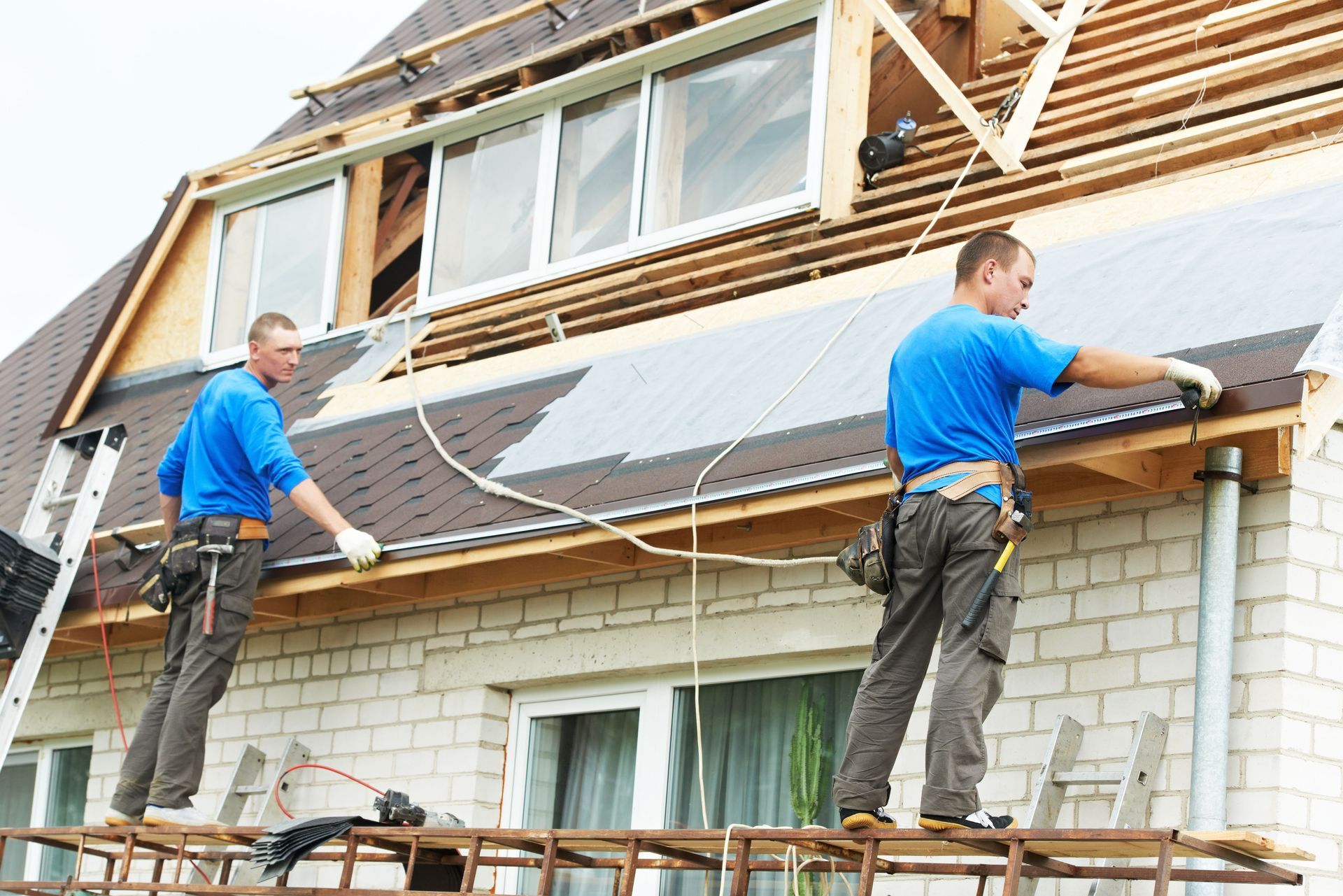
Restoring this barrier involves stripping away the surrounding shingles to expose the damaged section. The torn underlayment must be carefully cut out and replaced with a fresh piece. The new material is overlapped with the existing barrier to ensure water sheds downward without catching on any seams. Proper fastening prevents the material from wrinkling, which could cause the new shingles to lay unevenly.
Homeowners who stay proactive stop minor damage from escalating into structural failure. If water penetrates the underlayment, it soaks the wooden roof deck, leading to warping and rot. A rotting deck can't hold nails securely, which means future shingles will fail more easily. Maintaining a solid, intact underlayment provides reliable defense against the weather.
4. Patching Leaks and Punctures
Severe storms often bring down tree branches and turn loose objects into dangerous projectiles. When heavy debris lands on a house, it can puncture through the shingles, the underlayment, and even the wooden decking. These impact holes provide a direct entry point for heavy rain, leading to immediate water intrusion. Finding and fixing these punctures is a crucial step in storm recovery.
Sometimes, the damage is obvious, like a large branch resting on the structure. Other times, the impact is smaller and harder to spot from the ground. Checking the attic during daylight hours often reveals hidden punctures. If you see sunlight shining through the boards, you have a hole that needs immediate roof repairs. Damp insulation indicates an active leak that requires swift intervention.
Fixing a puncture requires more than just replacing a few shingles. The damaged wooden decking must be cut away and replaced with fresh, sturdy wood. Once the structural base is restored, new underlayment and shingles are layered over the patch to integrate it with the rest of the surface. This approach ensures the patched area remains strong.
Executing this patch properly prevents long-term moisture problems inside the house. Trapped moisture leads to mildew and mold, which spread quickly through attic spaces and compromise indoor air quality. By sealing holes and patching leaks, you block the moisture at its source. Keeping the interior dry preserves the structural framework and maintains a healthy environment.
Recovering from severe weather involves assessing the damage and taking targeted action to restore your home. Ignoring minor problems only leads to more significant complications down the road. High winds, heavy rain, and falling branches test the limits of your exterior defenses, leaving behind broken shingles, loose flashing, and punctures. By recognizing these common issues early, you can plan the necessary steps to secure your property. Staying organized and proactive makes the recovery process smoother and less stressful.
Maintaining the structural integrity of your house requires diligence and timely intervention. Scheduling professional roof repairs shortly after a storm helps mitigate the risk of water damage and wood rot. A well-maintained exterior stands strong against future weather events, offering continued protection and comfort. Caring for your property today ensures it remains a safe, dry, and welcoming space for many years to come.
Contact O.C. Roofing and Siding LLC today to schedule your roof repairs and keep your home safe from future storms.